Future-Proof Your Career: Why Outdoor Leadership Trumps AI in the New Economy
Future-Proofing Careers: Why Outdoor Leadership Matters in the Age of AI
Key Takeaways
- Generative AI is equalising technical knowledge, making human-centric leadership a scarce and valuable commodity.
- Outdoor leadership develops embodied resilience and decision-making skills that remain beyond the reach of automation.
- Nature-based experiences provide essential mental health support and a sense of purpose as traditional work identities shift.
- Structured outdoor programmes are proven to build transferable skills like group cohesion and risk management.
- Professional qualifications in outdoor recreation offer a direct pathway into high-value, human-led career sectors.
The landscape of work in Aotearoa is shifting beneath our feet. For decades, we told young people that "knowledge is power" and that a career in a cognitive, white-collar field was the safest bet for the future. Recent leaps in artificial intelligence have changed that equation. When a machine can draft a legal brief, write code, or analyse complex data in seconds, the premium on simply "having the answer" disappears.
We see this transition as an opportunity to return to what makes us uniquely human. As AI handles the routine and the analytical, the world will look to leaders who can manage ambiguity, build genuine trust, and facilitate meaningful experiences. This is where outdoor leadership moves from the periphery of education to the very centre of career preparation.

The Erosion of the Knowledge Premium
Generative AI now performs tasks that were once the exclusive domain of highly skilled professionals. Research from Brookings suggests that more than 30% of workers could see at least half of their tasks disrupted by these technologies. This shift hits middle and higher-paid cognitive roles the hardest. When expertise becomes a commodity, the value of a professional shifts from what they know to how they lead people through uncertainty.
Take a project manager in Auckland, for example. While an AI might optimise their timeline, it cannot navigate the interpersonal friction of a stressed team or inspire a group to push through a difficult season. These are embodied skills. They require a level of emotional intelligence and contextual awareness that code cannot replicate. We believe the future belongs to those who specialise in the relational and the ethical aspects of leadership.
The Search for Meaning Beyond the Cubicle
The World Economic Forum’s Future of Jobs 2025 report projects that 22% of current jobs will experience structural transformation by 2030. As automation reduces the need for human labour in traditional sectors, the way we define ourselves through our jobs will change. Many people will find that their sense of purpose and identity must come from sources outside of a standard nine-to-five office role.
Outdoor recreation and leadership offer a powerful alternative for identity-building. Whether you are a student in Hamilton or a youth worker in Tauranga, stepping into the natural world provides a felt sense of competence and connection. Outdoor leaders facilitate this process. They design journeys that help people discover their own limits and strengths, creating a sense of self-worth that is independent of a job title or a digital interface.
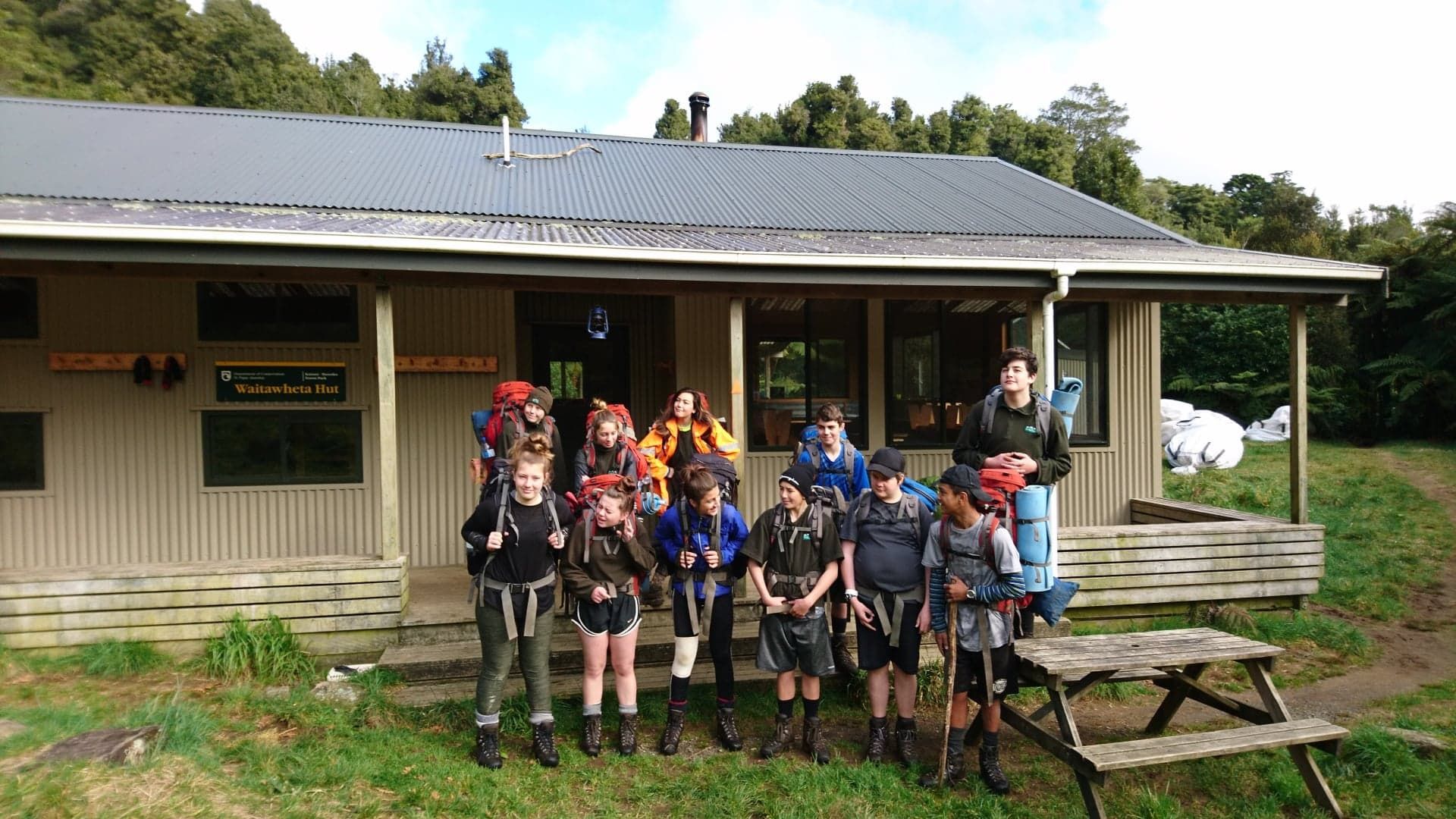
Our team sees this daily in our programmes. When a young person leads a group through a challenging tramp or manages a high-ropes course, they are building a resilient mindset that serves them in every area of life. You can read more about this in our guide on building resilience through outdoor leadership
Why Outdoor Leadership is Hard to Automate
The core of outdoor leadership is the ability to maintain physical and psychological safety in dynamic, unpredictable environments. A multi-level study of NOLS youth participants found that specific factors like reflection, belonging, and instructor-student relationships are what actually drive leadership learning. These are deeply human interactions.
Outdoor leaders are specialists in:
- Holding space for others to grow through calculated risk.
- Facilitating group reflection so that lessons from the trail transfer to the boardroom.
- Modelling values like kaitiakitanga (guardianship) and care for the environment.
- Building cohesion in diverse groups under pressure.
These capacities map directly to the "top skills for 2030" identified by global labour reports, including analytical thinking, flexibility, and social influence. We have identified several specific traits that bridge the gap between the bush and the business world in our article on 5 outdoor leadership skills that help you succeed in any career
Nature as Essential
The value of the outdoors extends beyond skill-building: it is a matter of public health. An Oregon State University study found that frequent outdoor activity predicted significantly better wellbeing during times of high stress. Similarly, the Mental Health Foundation reports that people with a strong connection to nature are generally happier and feel their lives are more worthwhile.
In an increasingly digital and mediated world, the role of the outdoor leader is to act as a bridge. By guiding others into natural spaces, they provide the "essential infrastructure" for mental health and clarity. This makes outdoor leadership a future-proof career path that is both inherently meaningful and socially vital.
Choosing a Human-Centred Career Path
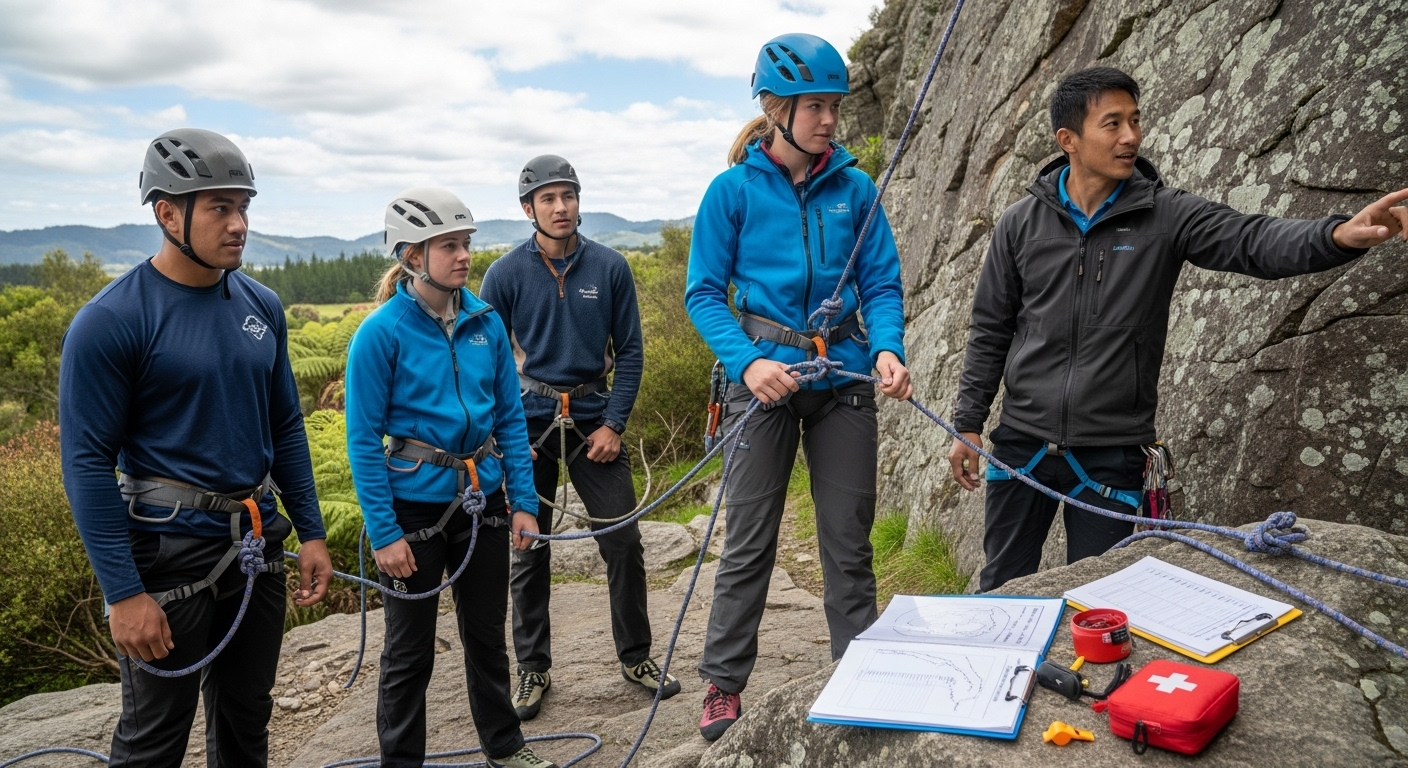
For young adults in Aotearoa considering their next steps, the choice is clear. You can compete with AI in a race to process information, or you can invest in the skills that AI cannot touch. Professional outdoor leadership training combines technical proficiency in areas like kayaking or rock climbing with advanced studies in hauora, communication, and teaching theory.
We offer pathways for those ready to lead in this new economy. Our NZ Diploma in Outdoor Adventure Education provides a work-integrated learning environment where you can develop the authority and confidence to guide others. This is about more than just a job in the outdoors. It is about becoming the kind of leader the future world of work desperately needs: someone who is resilient, adaptable, and profoundly human.